CULTURE · TANGO · 2026
The show has a stage and a set menu. The milonga has neither, starts at midnight, and is where the city actually dances.
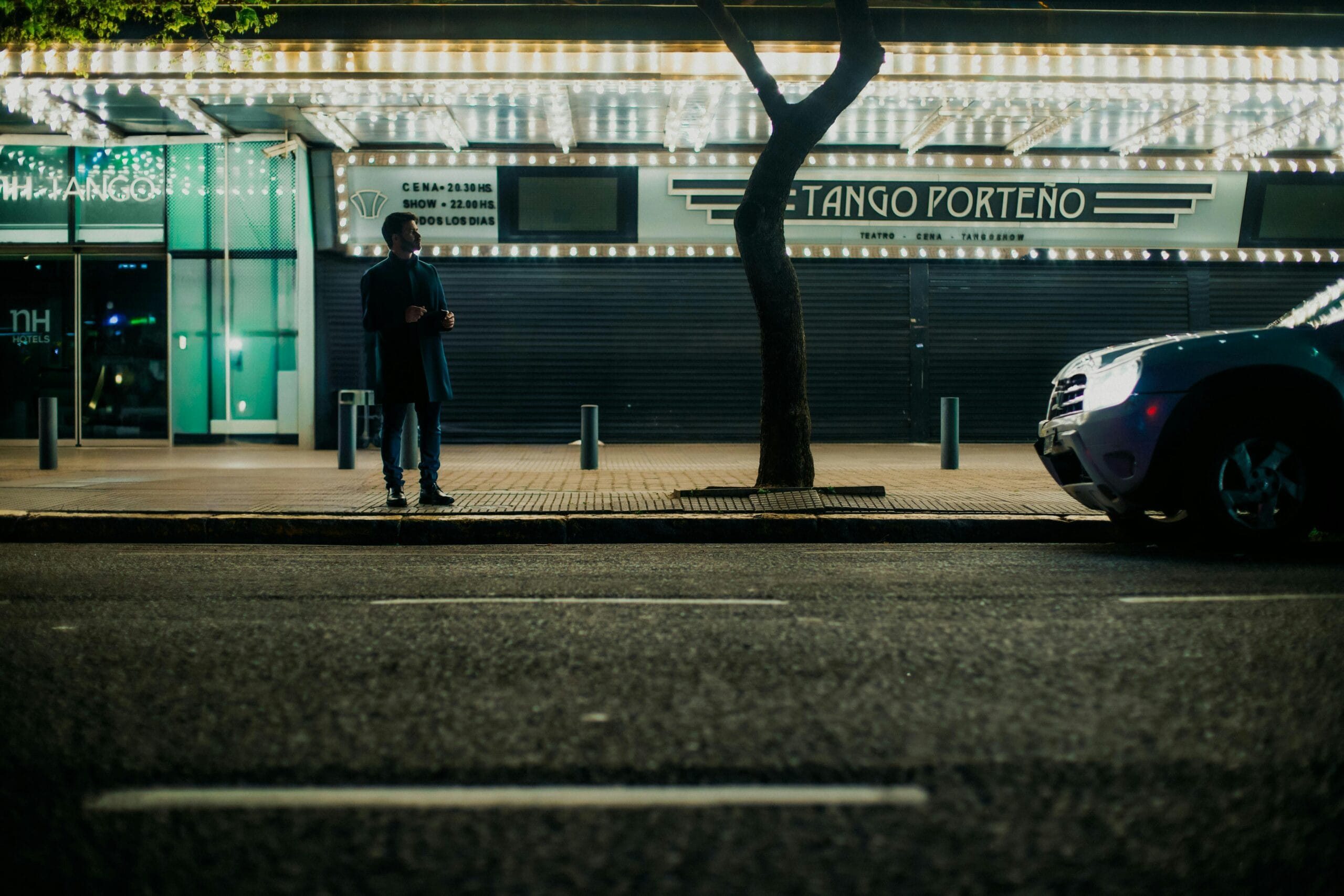
Most visitors see tango once, from a chair, with dinner. That is a show: choreographed, professional, often excellent, and designed for an audience. There is nothing wrong with it, and we have written about where to see tango shows separately.
A milonga is the other thing. It is a social dance, held in neighbourhood halls most nights of the week, where accountants and teachers and grandparents dance with each other for four hours. Nobody performs. There is no stage. You can sit at the edge with a glass of wine and watch, and that is a perfectly normal thing to do, which is what most first-time visitors do not realise.
Show or milonga: which one do you want?
| Milonga | Tango show | |
|---|---|---|
| Who is there | Local dancers, all ages | Visitors and an audience |
| The dancing | Improvised social tango | Choreographed, acrobatic |
| Hours | Classes from around 19:30, dancing from 23:00 to 4:00 | 20:00 to 23:30, dinner then show |
| Your role | Watch, or take the class and dance | Watch |
| Cost | Low, an entry fee and drinks | High, dinner and ticket |
The rules of the floor
Milongas run on conventions that are a century old and are still enforced by everyone in the room, quietly.
The cabeceo. Invitations happen across the room with eye contact and a small nod of the head. If the other person nods back, they meet on the floor. If they look away, the invitation was declined and nothing was said out loud, which is the entire point: nobody is refused in public. Walking up to a table to ask is not done.
Tandas and cortinas. Music comes in sets of three or four songs by the same orchestra, called a tanda. You dance the whole tanda with the same partner. Between tandas the DJ plays a fragment of non-tango music, the cortina, and everyone thanks their partner and returns to their seat. The cortina is the signal to change; leaving mid-tanda says something unflattering.
The ronda. Couples move anticlockwise around the outside of the floor, at the speed of the couple in front. Cutting across the middle or throwing in big figures in a crowded ronda is what marks someone as a tourist faster than their shoes.
Four milongas, and the nights they run
The single most useful thing to know is that a venue is not a milonga. The same hall hosts different milongas on different nights, each with its own organiser, its own DJ and its own crowd. Check the night, not just the address.
→ LA VIRUTA, ARMENIA 1366, PALERMO
In the basement of the Armenian cultural centre, and the standard recommendation for a first visit: friendly, mixed, used to beginners, and it runs until sunrise. Classes for all levels run most evenings, though not on Mondays or Tuesdays, and the milonga itself goes Wednesday to Sunday from around midnight. The story everyone tells is that they serve coffee and warm medialunas at five in the morning.
→ SALÓN CANNING, AV. RAÚL SCALABRINI ORTIZ 1331, PALERMO
One of the great traditional halls, with a big wooden floor and the best social dancers in the city on a good night. The famous Parakultural runs Mondays, Tuesdays and Fridays; other nights the hall belongs to other milongas with a different feel. Come to watch before you come to dance.
→ EL BESO, RIOBAMBA 416, BALVANERA
A small first-floor salon, traditional to the point of severity, with seating arranged the old way and the codes observed seriously. It runs milongas essentially every day of the year, afternoon and night, each one with its own organiser. Purists' territory, and not the room in which to make your debut.
→ CLUB GRICEL, LA RIOJA 1180, SAN CRISTÓBAL
A neighbourhood dance club with decades of history and a warm, multigenerational crowd. Still going, now as El Nuevo Gricel, with regular milongas through the week.
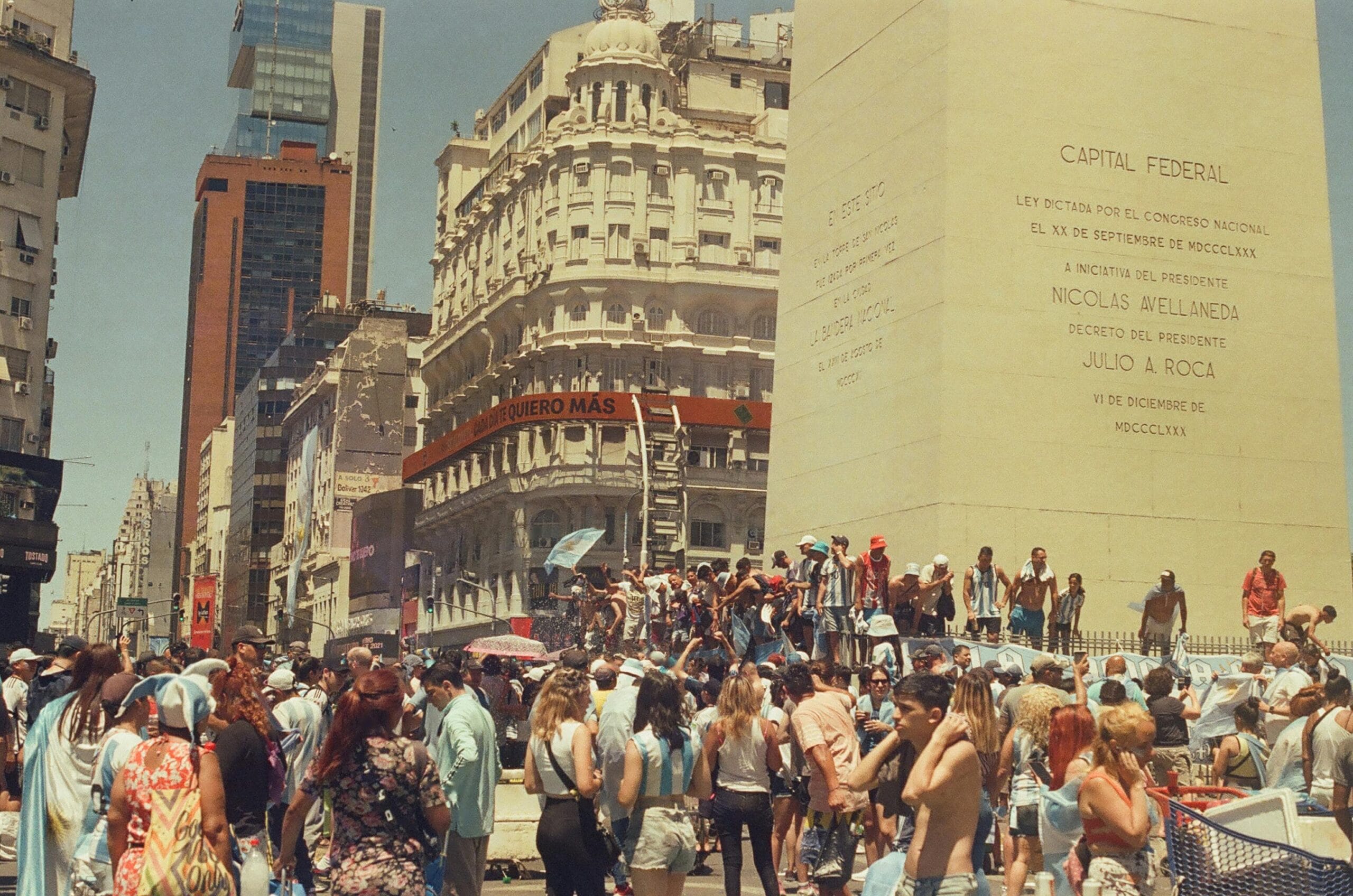
Getting home at four in the morning. Milongas end when taxis are scarce and the halls are on quiet residential blocks. Arrange a driver for the night and the last part of the evening stops being a problem.
What to wear and when to arrive
Smart casual is the floor: a collared shirt and trousers, a dress or a skirt. Leather-soled shoes matter if you intend to dance, because a rubber sole will not pivot and you will feel it within one tanda.
For timing: if you want a class, arrive around 19:30. If you want to watch good dancers, arrive between 23:00 and midnight, because before that the floor is mostly students. If you arrive at nine expecting a full room you will find a nearly empty one and conclude, wrongly, that tango is dead.
Frequently Asked Questions
Can you go to a milonga without knowing how to dance?
Yes. Sitting at a table and watching is normal and nobody will bother you. Several milongas, La Viruta among them, run beginner classes earlier in the evening if you want to try.
What time do milongas start in Buenos Aires?
Classes usually start around 19:30 and the social dancing gets going between 23:00 and midnight, running until 4:00 or later. Arriving before eleven means watching a class, not a milonga.
What is the cabeceo?
The way dancers invite each other, across the room, with eye contact and a nod. A nod back accepts; looking away declines, without anyone being turned down in public.
Is a milonga better than a tango show?
They are different things. A show is a polished performance with dinner; a milonga is the living social dance with no stage. If you have one night, a show is easier. If you want to see what tango is in this city, go to a milonga.
The room at two in the morning
What stays with people is not the dancing itself but the ordinariness of it: a couple in their seventies who have danced together for forty years, a woman waiting through three tandas for the right orchestra, the small silence when the cortina ends. It happens every night in this city, in about thirty halls at once, and nobody is watching but the people in the room.
Plan your tango evening. Message us on WhatsApp at +54 9 11 2404-0448 or book a private car for the night.