DAY TRIPS · COLONIA DEL SACRAMENTO · 2026
An hour across the brown river, and four quiet centuries back in time.
There is a moment on the ferry, somewhere out on the wide brown Río de la Plata, when the towers of Puerto Madero have sunk behind you and a low green shoreline rises ahead. That is Uruguay. A little over an hour after leaving Buenos Aires you step onto seventeenth-century cobblestones, under sycamore trees, in a town so unhurried it feels like the city's long afternoon nap. A Colonia del Sacramento day trip is the easiest international excursion in the region, and with a calm start to the morning, which is where Buenos Aires Transfers quietly comes in, it can be the gentlest, most charming day of your whole trip.
We drive visitors to the ferry terminal most weeks, and the same small worries come up every time. Which boat. Which terminal. How early. Do I need my passport. So here is the honest, practical version of how a day in Colonia actually works, and how to spend its best six hours.
Is Colonia Worth a Day Trip?
Yes, precisely because of what it is not. Colonia is not loud, not vast, not demanding. It is a UNESCO World Heritage town of around 32,000 people whose main pleasures are walking, photographing old doorways, eating slowly and watching the river go by. After the beautiful intensity of Buenos Aires, a day here lands like a long exhale.
The Barrio Histórico, the old quarter, was founded by the Portuguese in 1680 and then traded between Portugal and Spain so many times that its streets still disagree with each other: the Portuguese lanes drain down the middle, the Spanish ones to the sides. You can walk every street of it in about two hours. The whole art of Colonia is doing it slowly.
Getting There: The Ferry, Explained
Which boat, and how long?
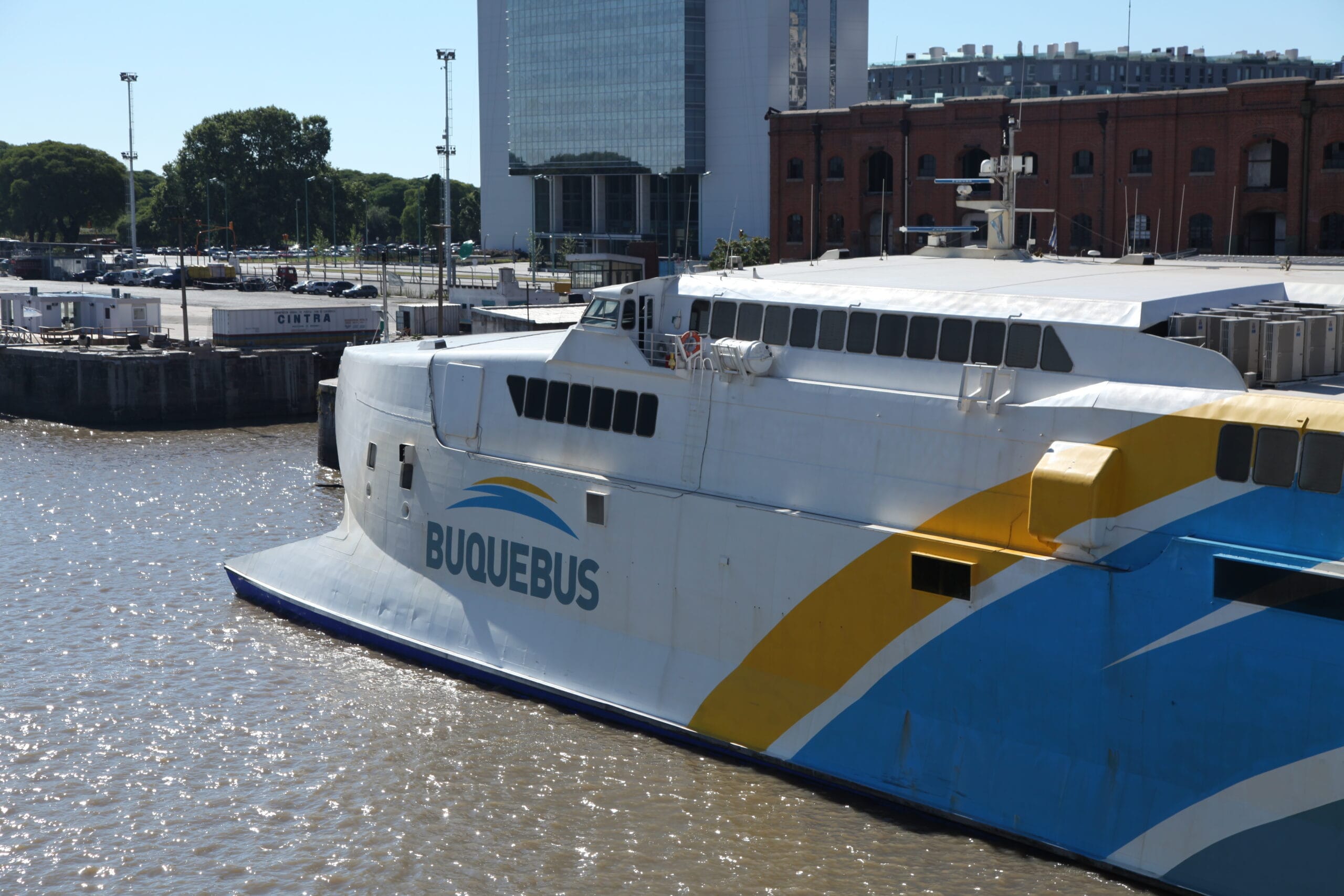
Two companies run the crossing: Buquebus, which also sells a lower-cost brand called Seacat, and Colonia Express. The fast catamarans make the trip in a little over an hour. There is also a larger, slower Buquebus boat that takes around three hours, so for a day trip you want the fast service both ways: the earliest morning departure across, and an evening boat back. Book online a week or two ahead, both because it is cheaper and because the good morning sailings fill up.
Terminals, and why they matter
The companies sail from different terminals, and arriving at the wrong one is the classic way to miss a boat. Buquebus and Seacat leave from the Dársena Norte terminal in Puerto Madero. Colonia Express leaves from its own terminal in the Dársena Sur, at the edge of La Boca, further from most hotels. Check your ticket, not your assumptions.
→ BUQUEBUS / SEACAT: DÁRSENA NORTE, PUERTO MADERO
→ COLONIA EXPRESS: DÁRSENA SUR, LA BOCA
Passports and immigration
This is the step travelers underestimate. You clear both Argentine exit and Uruguayan entry control before you board, at the Buenos Aires terminal, with officers of both countries side by side. You need your physical passport. Because every passenger is stamped twice, the immigration queue, not the check-in desk, is the real bottleneck, so plan to be at the terminal 60 to 90 minutes before departure on a busy morning. Arriving late does not mean a sprint to the gate, it means watching your boat leave without you.
That single morning variable, the dawn taxi that does not come, is exactly the one a pre-booked private transfer removes. Your driver is at the hotel before the traffic exists and delivers you to the correct terminal door with time to spare.
Tickets
Round-trip fast-ferry fares move a lot with the operator, the class of seat, the season and how early you book, so treat any figure you see as a starting point and check the live price when you reserve. Booking a week or two ahead, online, is reliably the calmest and cheapest way to go.
What to See in Six Unhurried Hours
You do not need an itinerary so much as a direction. Start at the old gate and let the quarter unfold.
- Cross the Portón de Campo, the restored city gate with its wooden drawbridge, and follow the surviving stretch of the eighteenth-century city wall down to the water.
- Walk the Calle de los Suspiros, one of the most photographed lanes in town, a single short cobbled block, best enjoyed before the midday groups arrive.
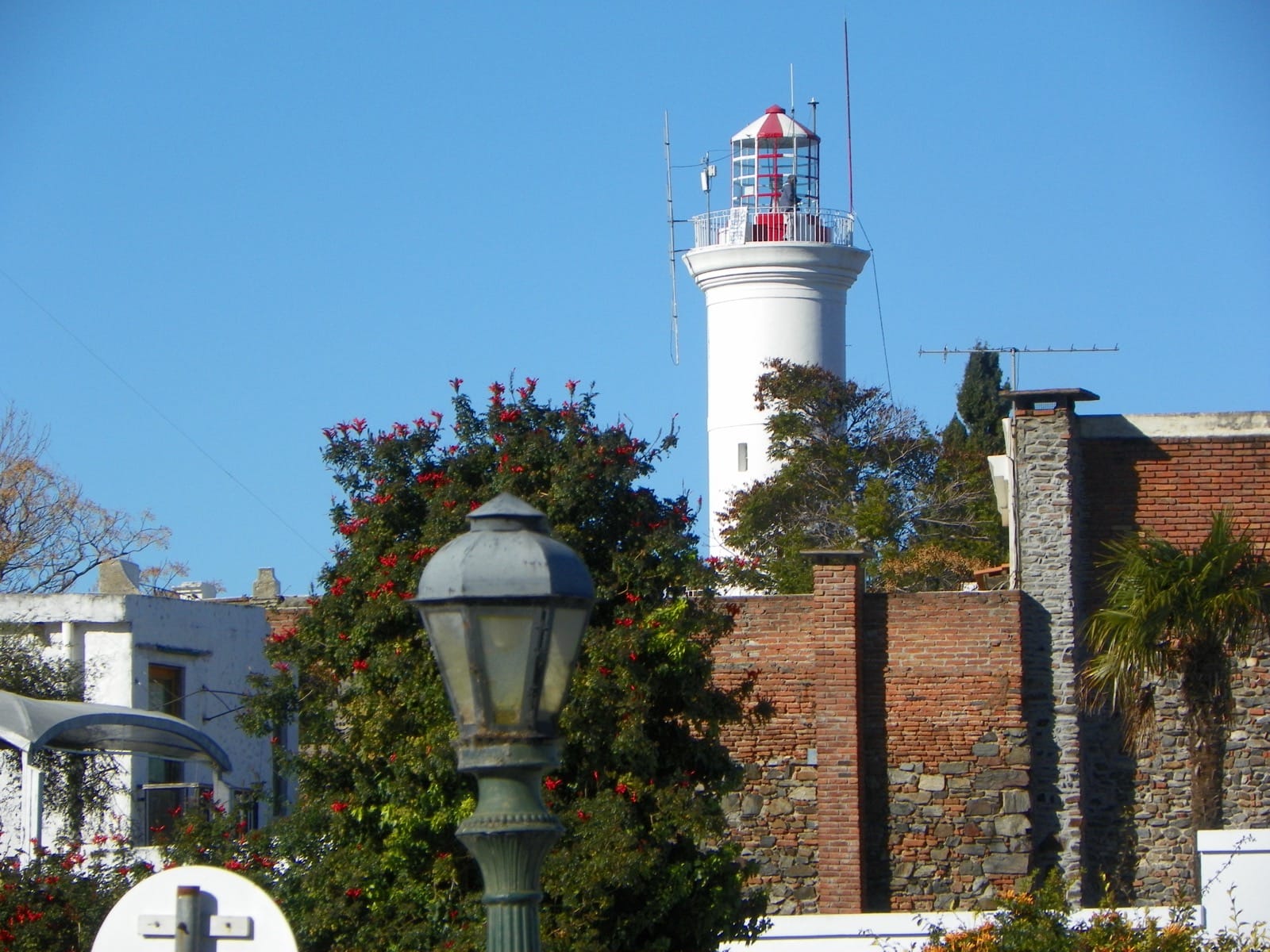
- Climb El Faro, the lighthouse built atop the ruins of the seventeenth-century Convent of San Francisco, for the full view over red rooftops and the river.
- Linger on the Plaza Mayor, the tree-lined main square, and step into the Basílica del Santísimo Sacramento, a stone church from 1808 and one of the oldest in Uruguay.
- Eat a long, slow lunch. Try a chivito, Uruguay's national steak sandwich, or grilled fish on a shaded patio. Give it ninety unhurried minutes.
- Drift along the rambla and photograph the vintage cars parked around town, some retired into flower planters. That gentle aimlessness is the whole point of Colonia.
Money, Time and Practical Details
- Currency: Uruguay uses the Uruguayan peso, but the tourist quarter widely accepts Argentine pesos, US dollars and cards. You do not need to change money for a single day, though paying in pesos or by card usually gives a kinder rate than handing over dollars.
- Time zone: Uruguay and Argentina keep the same clock all year, so your ferry ticket times are also Buenos Aires times. No mental arithmetic required.
- Language: Spanish, the same Rioplatense Spanish you have been hearing in Buenos Aires. No barrier at all.
- Season: Colonia is lovely year-round. Spring and autumn give the softest light, summer brings river breezes and the biggest crowds, and winter hands you the cobblestones almost to yourself.
Frequently Asked Questions
Do I need a passport for a Colonia day trip?
Yes. It is an international crossing, so you need your physical passport, and you clear both Argentine exit and Uruguayan entry control at the Buenos Aires terminal before boarding. Allow 60 to 90 minutes for that queue on busy mornings.
How long is the ferry from Buenos Aires to Colonia?
The fast catamarans cross in a little over an hour. There is also a slower, larger boat that takes around three hours, but for a day trip the fast service both ways is the one to book.
Can I visit Colonia as a day trip from Buenos Aires?
Easily. Take the earliest fast ferry across in the morning and an evening boat back, and you get a full, calm day in the old town. It is the simplest international day trip in the region.
Do I need Uruguayan pesos in Colonia?
Not for one day. The tourist quarter accepts Argentine pesos, US dollars and cards, so a card plus a little cash for small purchases is plenty.
Start the Day the Easy Way
Every good Colonia day begins the same calm way: at the right terminal, passport in hand, with time to spare and a coffee. Buenos Aires Transfers collects you at your hotel before the morning traffic wakes up, drops you at the correct terminal door (Dársena Norte or La Boca, the difference matters), and is there again when you sail back into the city that night. One day, two countries, zero stress. If the river day leaves you wanting more, our Tigre Delta day trip is the gentle local cousin of this one.