FOOTBALL · MATCHDAY · 2026
The match is the easy part. Getting a legitimate ticket, getting through the identity check and getting home afterwards are the three things nobody tells you about.
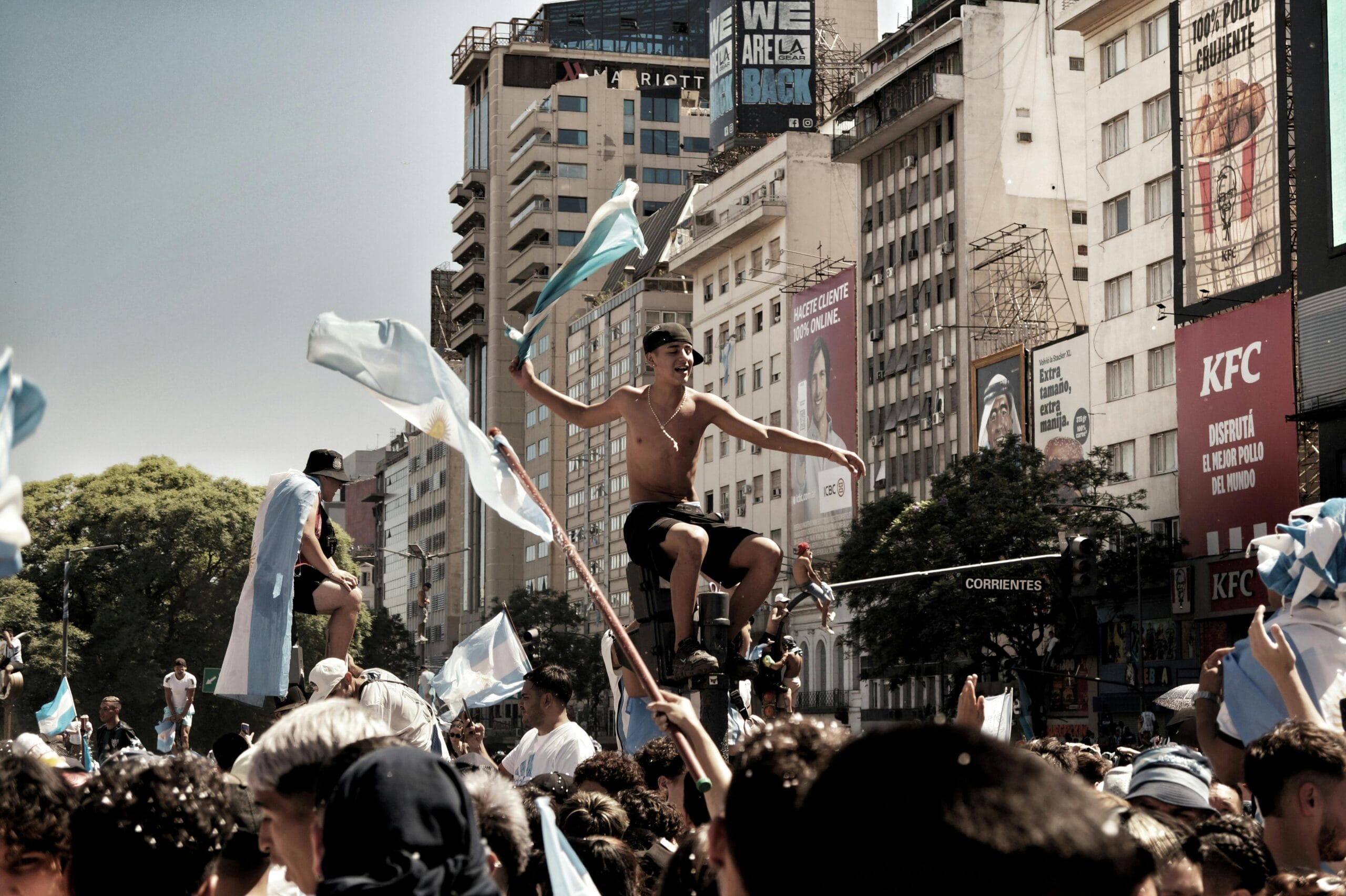
Buenos Aires and its metropolitan area hold an unusual concentration of top-flight clubs for one city, which is why there is professional football somewhere here almost every day of the week. Two grounds dominate the visitor's imagination, and they are genuinely different experiences.
What follows is the practical part, because the enthusiasm is easy and the logistics are not.
The two big stadiums
Estadio Alberto J. Armando, La Bombonera (Boca Juniors)
→ BRANDSEN 805, LA BOCA
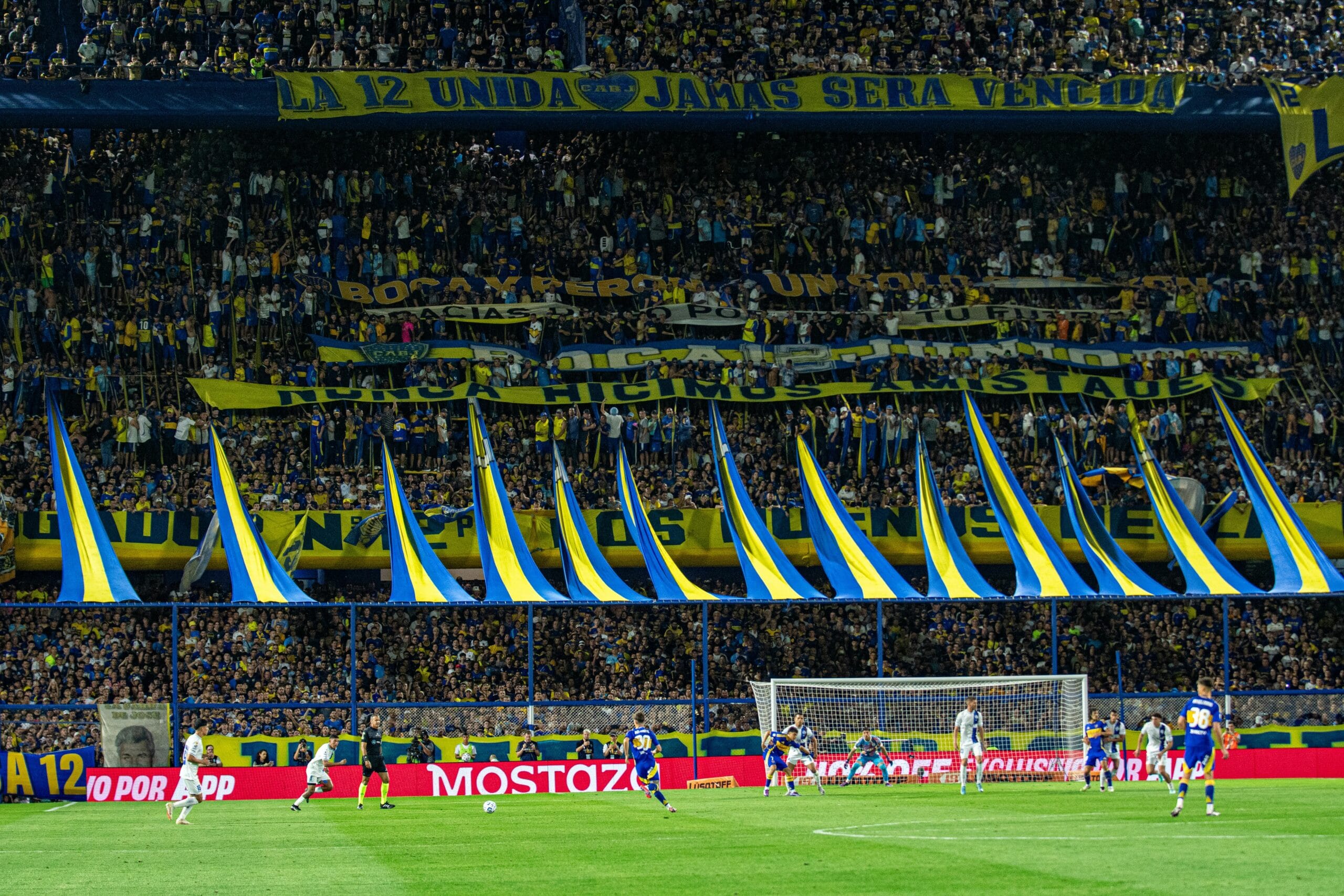
Around 57,000 capacity, built on a plot too small for a conventional bowl, which is why one side rises almost vertically instead of curving. The shape is the reason for the noise: when the stand jumps, the structure moves, and people mean that literally.
Boca plans to take it to roughly 80,000, with a fourth tier and new access towers. The rail regulator signed off on part of the project in April 2026, but in September 2026 the club was still waiting for the City's building permit and work had not started, so capacity is still around 57,000. If building work is under way when you visit, some sections may be closed.
Estadio Monumental (River Plate)
→ AV. PRES. FIGUEROA ALCORTA 7597, NÚÑEZ
85,018 and the largest stadium in South America. It hosts River and the national team. From 2022 to September 2026 it carried a sponsor's name, Más Monumental. A further expansion towards roughly 101,000 began in April 2026 and runs to 2029. Núñez is a comfortable northern neighbourhood and the ground is modern in a way La Bombonera deliberately is not.
Why you cannot just buy a ticket
This is the part that surprises people, and it is worth understanding rather than working around.
Argentine clubs run on a membership model. Members, socios, pay a monthly fee and get first claim on seats through the club's own digital system. For any match with real demand, and certainly for a superclásico, members absorb the entire allocation days in advance. There is effectively no general public ticket window for visitors. Turning up at the ground hoping to buy at the box office is not a plan.
The realistic route for a visitor is a licensed matchday operator: a package with a registered seat, a bilingual host who gets you in and out, usually transport and often food before the game. It costs considerably more than face value, and what you are paying for is a legitimate ticket and someone who knows the entrance procedure.
What not to do is buy from someone outside the ground. Counterfeits are common, and since entry involves an identity check against the name on the ticket, a fake does not get you in, it gets you turned away after you have paid.
The identity check
Access to matches runs through Tribuna Segura, a Ministry of Security programme that checks supporters' identity documents against a database of people barred from entering stadiums. In practice it means checkpoints set up a few blocks out from the turnstiles.
Bring your physical passport, not a photo of it. Bring the minimum otherwise: what security will and will not admit varies between grounds and between matches, so if you are travelling with a bag, check the club's own page for that fixture rather than trusting a general list.
Two other things that are simply true. Do not wear the other club's colours anywhere near either ground. And keep your phone in your pocket rather than in your hand while moving through crowded streets outside, which is ordinary big-city sense rather than anything specific to football.
Matchday transport is the part people underestimate. Streets close hours before kick-off and tens of thousands of people leave at once at the end. Book a driver for the match with a meeting point outside the closed perimeter.
Getting there and getting out
Roads around both stadiums close well before kick-off, and the police perimeter extends several blocks. Nothing drops you at the gate.
Arrive at least two hours early, which is what Boca itself asks for at La Bombonera. That is not padding: you have a police checkpoint, a walk from wherever the road closure starts, and a turnstile queue, and the queue is worst in the last twenty minutes before kick-off.
Leaving is the harder half. When the final whistle goes, tens of thousands of people walk out into streets with no traffic on them, and hailing a taxi or matching with an app car in that is close to impossible for the first hour. The workable version is a driver with an agreed meeting point three or four blocks beyond the perimeter, at a corner you have both looked at on a map beforehand.
Boca or River?
| La Bombonera | El Monumental | |
|---|---|---|
| Neighbourhood | La Boca, south, historic and rough at the edges | Núñez, north, residential and comfortable |
| Capacity | About 57,000, expansion planned | 85,018, expansion under way |
| The experience | Tight, vertical, deafening | Vast, modern, national team fixtures |
| Getting there | Organised transport strongly advised | Easier, better lit surrounding avenues |
If you can only do one and the atmosphere is what you came for, La Bombonera. If you want the scale, or a national team match, the Monumental.
Frequently Asked Questions
Can tourists buy tickets to a Boca or River match?
Not through the club box office in practice. Seats go to members first and sell out days ahead, so visitors generally need a licensed matchday operator that provides a registered ticket and a host.
What do you need to bring to a football match in Argentina?
Your physical passport, for the identity check under the Tribuna Segura programme, and as little else as possible. What is admitted varies by stadium and match, so check the club's page for your fixture.
How early should you arrive at the stadium?
At least two hours before kick-off, which is what Boca itself asks for at La Bombonera. You have to clear a police checkpoint several blocks out, walk in from the road closure, and queue at the turnstiles.
Is it safe to go to a football match in Buenos Aires?
Inside the ground, with a legitimate ticket, yes. The care is needed outside: do not wear rival colours, travel with organised transport rather than walking out into the crowd afterwards, and keep valuables out of sight.
What you actually came for
The moment is the entrance of the teams, when the stand goes up in paper and the noise arrives as a physical thing. It lasts about ninety seconds and people remember it for years. Everything above exists so that you get to be there for it.
Reserve your matchday transport. Message us on WhatsApp at +54 9 11 2404-0448 or book a private car for the trip there and back.